
shell
ผู้เยี่ยมชม
benducket3211@gmail.com
China-Europe Freight Train: How Is This International Railway Network Transforming Global Trade and Logistics? (4 อ่าน)
11 ต.ค. 2569 23:01
The China-Europe freight train network has become an important part of international transportation, connecting major manufacturing cities in China with commercial centers across Europe. These railway services provide an alternative to traditional ocean shipping and air freight, helping businesses move products between Asia and Europe through established international trade routes. As global commerce continues to expand, the China-Europe freight train plays a growing role in strengthening supply chain connectivity, supporting cross-border trade, and creating new opportunities for international businesses.
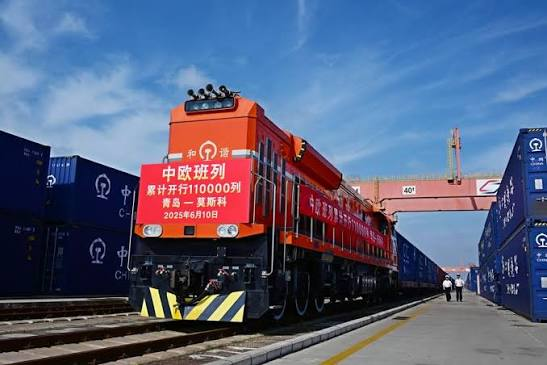
The China-Europe Railway Express is closely associated with China's Belt and Road Initiative, which promotes infrastructure development, international connectivity, and economic cooperation among participating countries. Through a network of railway lines, freight terminals, customs facilities, and distribution centers, trains transport commercial goods between Chinese production hubs and European markets. This system supports exporters, importers, manufacturers, retailers, and logistics providers seeking reliable transportation options for international shipments.
The growing importance of China-Europe freight train services reflects the need for flexible shipping solutions. Businesses must balance transportation costs, delivery schedules, cargo capacity, and supply chain reliability when choosing an international freight method. Ocean shipping is widely used for large-volume cargo, while air freight is suitable for urgent deliveries. Rail transportation offers another option, potentially combining shorter transit times than sea freight with lower costs than air cargo on suitable routes.
As international supply chains become more interconnected, the China-Europe freight train network continues to attract attention from businesses looking to diversify shipping arrangements and improve connections between Asian and European markets.
Major Routes and International Freight Transportation
The China-Europe freight train network connects several important Chinese cities with destinations throughout Europe. Major departure points include Xi'an, Chongqing, Chengdu, Zhengzhou, Wuhan, and Yiwu. These cities serve as manufacturing centers, commercial hubs, and logistics gateways, allowing businesses to transport products from factories and warehouses toward international markets.
Depending on the selected route and final destination, trains may travel through Kazakhstan, Russia, Belarus, and Poland before reaching Germany or other European markets. Different railway corridors serve different destinations, and the actual journey depends on infrastructure availability, border procedures, operational conditions, and international transportation arrangements.
European logistics hubs play a significant role in receiving and distributing incoming freight. Railway terminals connect arriving shipments with regional road networks, warehouses, industrial facilities, and distribution centers. After reaching a European destination, cargo may continue by truck or another transportation method to reach its final recipient.
The operation of a China-Europe freight train requires coordination among railway operators, freight forwarders, customs authorities, terminal managers, and logistics companies. International shipments must meet documentation requirements and comply with the customs regulations of the countries involved. Efficient communication between these organizations can help reduce unnecessary delays and improve transportation planning.
Containerized shipping is a major feature of China-Europe rail freight. Standardized containers allow goods to move between trains, trucks, and ships without requiring individual products to be unloaded and handled repeatedly. This approach supports multimodal transportation, simplifies cargo management, and helps businesses coordinate international deliveries.
China-Europe freight trains transport a wide variety of products, including electronic devices, automotive components, industrial machinery, textiles, consumer goods, and manufacturing materials. These shipments support international supply chains by connecting Chinese factories with European importers, distributors, retailers, and industrial customers.
The network also creates opportunities for businesses located in inland Chinese regions. Companies that operate far from major seaports can use railway connections to reach international markets through established logistics hubs. This improved connectivity can encourage investment in transportation infrastructure, warehouses, industrial parks, and related commercial services.
Economic Benefits and Future Development of China-Europe Freight Trains
The economic importance of the China-Europe freight train extends beyond the transportation of goods. The network supports international commerce, strengthens trade relationships, and creates opportunities for businesses involved in manufacturing, logistics, warehousing, and distribution. By providing an additional shipping option, railway transportation can help companies diversify their supply chains and respond to changing market conditions.
One of the main advantages of China-Europe freight train services is their potential to provide shorter transit times than traditional ocean shipping on suitable routes. Although actual delivery schedules vary according to distance, border crossings, customs clearance, and operational conditions, rail transportation can be attractive for businesses that need goods to arrive sooner than standard sea freight would allow.
Transportation costs are another important consideration. Air freight is often expensive for large shipments, while ocean freight generally involves longer transit times. Rail freight can provide a practical balance between these options, especially for businesses shipping products that require reasonably fast delivery without the expense of air transportation.
China-Europe rail freight can also help companies manage inventory and production schedules. More predictable delivery times, when available, allow businesses to coordinate shipments with manufacturing requirements and customer demand. Better planning can reduce uncertainty, support inventory management, and improve the overall efficiency of international supply chains.
However, the China-Europe freight train network faces several operational challenges. Differences in railway track gauges between countries require cargo transfers or other technical arrangements at certain border crossings. Customs inspections, terminal capacity, infrastructure limitations, and changing international regulations can affect delivery schedules. Geopolitical developments and restrictions affecting particular routes may also influence transportation availability and costs.
Businesses considering China-Europe rail freight should evaluate their specific shipping requirements before choosing a service. Cargo volume, delivery deadlines, insurance, customs documentation, terminal charges, and final-mile delivery expenses can all influence the overall cost and suitability of a shipment. Working with an experienced freight forwarder can help businesses compare available routes and understand the requirements of cross-border transportation.
Environmental sustainability is another factor influencing international logistics decisions. Rail transportation can produce lower greenhouse gas emissions per tonne-kilometer than air freight and, under many circumstances, road transportation. Actual emissions depend on the energy source, locomotive technology, cargo capacity, and the use of trucks for first-mile and last-mile delivery. For companies seeking to reduce transportation-related emissions, rail freight can form part of a broader sustainable supply chain strategy.
Digital technology is expected to play an increasingly important role in the future of China-Europe freight train operations. Shipment tracking systems, electronic documentation, automated terminal equipment, and improved data sharing can help businesses monitor cargo movements and coordinate deliveries more efficiently. Greater visibility throughout the transportation process can also help logistics providers respond to disruptions and improve communication with customers.
Continued investment in railway infrastructure, logistics facilities, and customs cooperation could strengthen the network further. As global trade patterns change, China-Europe freight train services will need to adapt to new market demands, evolving regulations, and changing transportation costs. Their long-term success will depend on operational reliability, competitive pricing, infrastructure development, and cooperation among participating countries.
Conclusion
The China-Europe freight train network has become an important part of modern international logistics, connecting Chinese manufacturing centers with European commercial markets through an extensive system of railway routes and distribution hubs. Closely associated with the Belt and Road Initiative, these services support cross-border commerce, encourage economic cooperation, and provide businesses with an alternative to traditional ocean and air transportation.
With potential advantages such as competitive transit times, flexible cargo transportation, and improved access to international markets, China-Europe freight trains offer valuable opportunities for manufacturers, exporters, importers, and logistics providers. Nevertheless, businesses must consider customs requirements, route availability, transportation costs, geopolitical conditions, and infrastructure limitations when selecting a freight service.
43.242.176.69
shell
ผู้เยี่ยมชม
benducket3211@gmail.com