
shell
ผู้เยี่ยมชม
benducket3211@gmail.com
Why Is a Private Label Clothing Manufacturer in Bangladesh a Smart Choice for Growing Fashion Brands? (4 อ่าน)
6 ก.ย. 2569 16:52
The global fashion industry is constantly changing, and businesses are increasingly looking for reliable ways to create unique clothing while controlling production costs and maintaining consistent quality. This has made private label clothing an attractive business model for fashion startups, ecommerce stores, retailers, wholesalers, and established brands. For companies looking to develop their own collections, working with a private label clothing manufacturer Bangladesh can provide access to experienced garment producers, flexible customization, competitive manufacturing opportunities, and an established apparel supply chain.
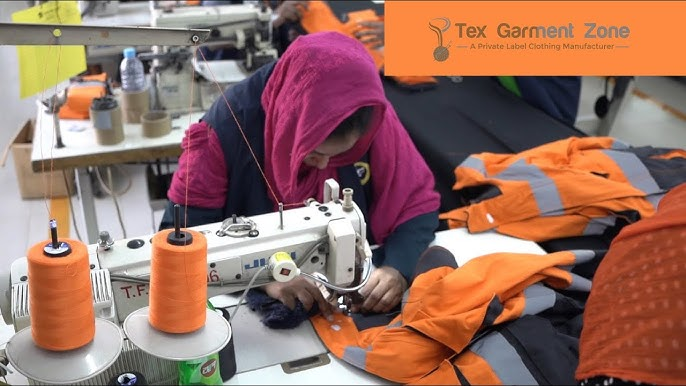
Bangladesh has built a strong reputation as a global garment manufacturing destination. Its clothing industry serves international markets and produces a wide variety of products, including T-shirts, hoodies, sweatshirts, polo shirts, shirts, trousers, denim, activewear, workwear, children's clothing, and fashion garments. Alongside large-scale apparel production, many manufacturers support private label clothing projects where brands can develop garments with their own designs, labels, packaging, colors, fabrics, and specifications.
Private label manufacturing allows a company to sell clothing under its own brand without having to establish its own factory. Instead, the brand works with a manufacturing partner that handles the production process according to the buyer's requirements. This approach can make launching a fashion business more practical while allowing the brand to focus on design, marketing, sales, and customer relationships.
Private Label Clothing Manufacturing in Bangladesh
A private label clothing manufacturer in Bangladesh can help transform a brand's product concept into finished garments. The process can begin with a design, technical pack, measurement chart, sample garment, fabric specification, or even an initial product idea. The manufacturer then works with the buyer to develop samples and prepare the product for bulk production.
One of the key benefits of private label apparel is customization. Rather than purchasing generic garments and adding a logo afterward, brands can have products developed around their own identity. Fabric type, garment fit, colors, trims, labels, tags, embroidery, printing, stitching details, and packaging can all be incorporated into the production process.
This flexibility is particularly valuable for ecommerce fashion brands. Online clothing businesses often compete in crowded markets where product differentiation is essential. A customized product can help a company establish a recognizable visual identity and offer customers something that is more closely associated with the brand.
Bangladesh's established garment industry also provides access to a broad production ecosystem. Apparel factories can work with fabric suppliers, dyeing facilities, printing companies, embroidery specialists, accessories manufacturers, packaging providers, and logistics partners. This interconnected supply chain can simplify the manufacturing process and help brands coordinate multiple production requirements.
The country's experience with international apparel production is another important factor. Manufacturers that regularly work with overseas buyers are familiar with product specifications, quality expectations, labeling requirements, packaging standards, and export procedures. This experience can be useful for businesses that are entering international clothing markets for the first time.
Benefits of Choosing a Private Label Clothing Manufacturer Bangladesh
Cost efficiency is an important consideration for businesses developing private label clothing. Establishing an independent manufacturing facility requires significant investment in equipment, employees, materials, production space, quality management, and operational infrastructure. Working with an established private label clothing manufacturer Bangladesh allows a brand to use existing manufacturing capabilities without making the same level of investment in its own factory.
Production scalability is another advantage. A fashion startup may initially require a relatively small collection, while a successful brand may eventually need much larger production volumes. The right manufacturing partner can potentially support increasing demand as the business develops.
Private label manufacturing also gives brands greater control over their product identity. A company can develop garments around its target customers rather than relying entirely on standard wholesale designs. This can include specific fabric weights, fits, color combinations, branding elements, finishing techniques, and packaging concepts.
Quality control is equally important. A professional clothing manufacturer should have processes for checking fabric quality, measurements, stitching, construction, colors, finishing, and overall garment appearance. Consistent quality is particularly important for private label brands because customers associate the finished product directly with the brand name.
Sustainability is becoming another major consideration in clothing production. Consumers and retailers increasingly pay attention to the environmental and social impact of fashion products. Some manufacturers in Bangladesh have invested in modern facilities, energy-efficient systems, improved resource management, responsible production practices, and sustainability-focused initiatives. Brands that prioritize responsible sourcing can consider these factors when evaluating potential manufacturing partners.
Another advantage is product variety. A private label brand does not necessarily have to focus on a single garment type. Depending on the manufacturer's capabilities, a collection can include custom T-shirts, oversized shirts, hoodies, sweatshirts, joggers, jackets, sportswear, uniforms, or other apparel categories. This allows businesses to expand their product ranges as customer demand develops.
Custom Apparel and Brand Development
Custom apparel manufacturing is closely connected with private label fashion. A business may have an original concept for a garment and need a manufacturing partner capable of producing it according to precise specifications. A Bangladesh private label clothing manufacturer can potentially support the development process from initial samples through bulk production.
Sampling is a crucial part of this process. Before approving a large order, a brand can evaluate a sample garment for fabric quality, fit, sizing, stitching, colors, printing, embroidery, labels, and finishing. If something does not meet expectations, modifications can be discussed before production moves forward.
Technical specifications can make this process more efficient. A detailed tech pack can communicate measurements, construction details, materials, artwork, stitching requirements, and other product information. Clear documentation reduces misunderstandings and helps the manufacturer reproduce the intended design more accurately.
Fabric selection is another important part of custom clothing production. Different fabrics create different appearances, weights, textures, levels of comfort, and durability. Cotton, organic cotton, polyester blends, fleece, denim, viscose, and performance fabrics may be suitable for different types of products. The appropriate material depends on the garment category and the brand's positioning.
Branding can also be integrated into the manufacturing process. Custom neck labels, woven labels, printed labels, hangtags, care labels, packaging, and branded accessories can help create a consistent customer experience. For premium fashion brands, these small details can have a significant effect on how customers perceive the finished product.
For businesses selling internationally, packaging and shipping requirements should also be discussed early. Different retailers, ecommerce platforms, and markets may have specific requirements for garment packaging, labeling, carton preparation, and documentation. An experienced manufacturer can help coordinate these production details.
Choosing the Right Bangladesh Private Label Clothing Manufacturer
Selecting the right supplier is an important step in building a successful private label clothing business. Manufacturing capability should match the brand's product requirements, expected order volume, quality standards, and desired level of customization.
A business should evaluate the manufacturer's experience with similar products and international buyers. A factory specializing in basic knitwear may not be the best fit for technical activewear or premium fashion products. Understanding a manufacturer's core capabilities can help prevent production problems later.
Communication is equally important. International apparel production often involves multiple stages, including product development, sampling, material sourcing, production, inspection, packaging, and shipment. Clear communication throughout these stages can help keep the project aligned with the original specifications.
Minimum order quantities can also influence supplier selection. Some manufacturers are designed for high-volume production, while others may accommodate smaller private label orders. New fashion brands should consider whether a manufacturer's production requirements are compatible with their current business scale.
Quality assurance should remain a priority rather than being considered only after production is complete. Brands can establish clear specifications for measurements, fabrics, colors, stitching, printing, embroidery, and finishing before bulk production begins. Sample approval and appropriate inspection procedures can help maintain consistency.
Price should also be evaluated carefully. The cheapest quotation is not necessarily the most economical choice if it results in inconsistent quality, production delays, or poor communication. A reliable private label clothing manufacturer Bangladesh should offer a reasonable balance between manufacturing cost, product quality, production capacity, service, and reliability.
Building a long-term relationship can make private label manufacturing more efficient over time. Once a manufacturer understands a brand's preferred materials, construction standards, sizing, packaging, and quality expectations, repeat orders and new collections may become easier to manage.
Conclusion
Working with a private label clothing manufacturer Bangladesh can provide fashion businesses with an effective way to develop customized products without building their own manufacturing facilities. Bangladesh's established garment industry, experienced production workforce, extensive supply chain, and international apparel expertise make it an attractive destination for private label clothing production.
From custom T-shirts and hoodies to activewear, denim, uniforms, and complete fashion collections, private label manufacturing can give brands greater control over product design and identity. Businesses can customize fabrics, fits, colors, labels, packaging, printing, embroidery, and other elements to create products that reflect their market positioning.
43.242.176.93
shell
ผู้เยี่ยมชม
benducket3211@gmail.com